
You’ve probably noticed that your iPhone takes incredible photos right out of the box. The colors are vibrant, the focus is sharp, and the Smart HDR handles lighting like a champ. But have you ever tried to edit a photo later—maybe to brighten up a dark shadow or fix a yellowish tint—only to find the image starts looking grainy or "muddy"? Or perhaps you’ve tried to color-grade a video clip and the sky suddenly turned into a blocky mess?
This happens because standard iPhone photos (HEIC or JPEG) and videos are highly compressed. The phone makes permanent decisions about color and light the moment you hit the shutter, discarding data to save space. For most snapshots, this is perfect. But for those moments when you want total creative control, Apple gave us two superpowers: ProRAW and ProRes.
Available on Pro models (iPhone 12 Pro and later), these formats are the bridge between casual snapping and professional photography. If you are ready to take the training wheels off your camera, here is how to master these powerful tools.
Apple ProRAW: The Ultimate Digital Negative
To understand ProRAW, imagine baking a cake. A standard JPEG photo is like buying a pre-made cake from the store. It’s delicious, finished, and ready to eat, but you can’t take the sugar out or change the flavor of the frosting. It is what it is.
ProRAW is like getting the ingredients in a bowl. The flour, eggs, and sugar are all there, mixed but not baked. You get to decide exactly how long to bake it and how to frost it. Technically speaking, ProRAW captures significantly more information about light and color (dynamic range) directly from the camera sensor without compressing it instantly.
Pro Tip: ProRAW files are not meant to look "perfect" immediately. In fact, they might look a bit flat or dull in the preview. That is a good thing! It means the camera hasn't artificially boosted the contrast yet, leaving that decision up to you.
When should you use ProRAW?
- High Contrast Scenes: Sunsets, bright windows in dark rooms, or stage lighting. ProRAW allows you to recover details in the bright highlights and dark shadows that a standard photo would lose.
- Mixed Lighting: If you are shooting indoors with warm lamps but natural blue light is coming through the window, ProRAW makes correcting the white balance incredibly easy during editing.
- Printing: If you plan to print your photo on a large canvas, the extra data ensures the image remains sharp and smooth.
How to Enable and Shoot in ProRAW
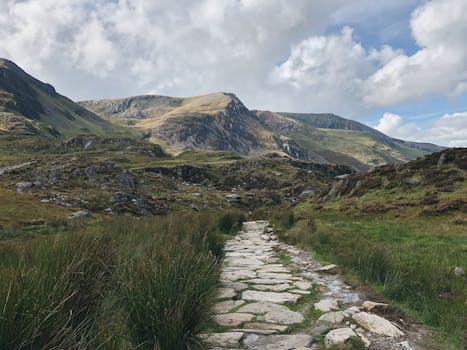
Apple keeps this feature off by default to save your storage space, so you need to activate it first. Here is how to get set up:
- Open Settings and scroll down to Camera.
- Tap on Formats.
- Under "Photo Capture," toggle on ProRAW & Resolution Control.
- Tap Pro Default to choose between 12MP (smaller files) or 48MP (maximum detail for iPhone 14 Pro and newer).
Once enabled, you will see a small "RAW" icon in the top right corner of your Camera app. It will have a line through it by default.
To take a shot, simply tap that icon so the line disappears. Now, when you press the shutter, you are capturing a massive amount of data. Just remember to tap it off again when you go back to taking casual photos of your lunch or parking spot!
ProRes: Hollywood Quality in Your Pocket
If ProRAW is for photos, ProRes is the heavy-hitter for video. ProRes is a video codec widely used in the film and television industry. It offers higher color fidelity and less compression than the standard video format your iPhone uses.
Why does this matter? If you are just filming a quick clip for an Instagram Story, ProRes is overkill. However, if you are an aspiring filmmaker, a YouTuber, or you are documenting a special event like a wedding, ProRes is a game-changer. It preserves textures and colors accurately, allowing you to edit the footage on a computer without the video falling apart or showing ugly digital artifacts.
Setting up ProRes:
- Go to Settings > Camera > Formats.
- Under "Video Capture," toggle on Apple ProRes.
- Open your Camera app and switch to Video mode.
- Tap the "ProRes" button at the top of the screen to activate it.
Warning: ProRes files are gigantic. One minute of 4K ProRes video can consume nearly 6 GB of storage. If you have a 128GB iPhone, you will fill it up very quickly.
Editing: Where the Magic Happens
Shooting in these formats is only half the battle. Because these files are designed to be edited, you need to get comfortable with tweaking them. The good news is that you don’t need an expensive computer to do it; the iPhone’s native Photos app is surprisingly powerful.
For ProRAW Photos: Open the photo in the Photos app and tap "Edit." You will notice that the sliders for Exposure, Brilliance, Highlights, and Shadows are much more responsive than usual. You can pull the "Shadows" slider way up to reveal details in a dark area without revealing a bunch of grainy noise. Try adjusting the "Warmth" and "Tint" to get the colors exactly how you remember them.
For ProRes Video: While you can do basic trimming and color correction in the Photos app, ProRes really shines when you export it to a desktop editor like Final Cut Pro or Adobe Premiere. However, for mobile editing, apps like LumaFusion or the mobile version of DaVinci Resolve are fantastic for handling these high-quality files.
Managing the "Storage Beast"
The biggest downside to shooting like a pro is the file size. A standard HEIC photo is about 2 MB; a ProRAW photo can be anywhere from 25 MB to 75 MB. ProRes video is even heavier. If you aren't careful, you will see the dreaded "Storage Full" notification in the middle of a shoot.
Here are a few workflow tips to keep your phone running smoothly:
- Use External Storage (iPhone 15 Pro/16 Pro): If you have the newer iPhones with USB-C, you can plug a portable SSD drive directly into your phone. You can even set the camera to record ProRes video directly to the external drive, bypassing your phone's internal storage entirely.
- The "Shoot and Offload" Method: Don't keep ProRAW files on your phone forever. Use AirDrop or a cable to move them to your computer or a hard drive, then delete them from your phone.
- iCloud Photos: If you have a large iCloud plan (2TB+), your phone will upload the full-resolution RAW files to the cloud and keep smaller versions on your phone. This helps, but it requires a strong Wi-Fi connection to sync.
- Be Selective: Treat ProRAW like film. Don't use burst mode, and don't shoot everything in RAW. Save it for the "hero shots"—the landscapes, the portraits, and the artistic moments that matter most.
Final Thoughts
Mastering ProRAW and ProRes isn't about making things more complicated; it's about giving yourself permission to be more creative. It changes your mindset from "taking a picture" to "creating an image."
Next time you are facing a beautiful sunset or a moody street scene, toggle that RAW button on. Take the shot, bring it into the editor, and push those sliders around. You will be amazed at how much beauty was hiding in the data, just waiting for you to unlock it.