
You have probably heard the buzz about the camera system on your iPhone Pro. Apple marketing loves to throw around terms like "studio-quality," "cinematic," and "professional workflow." But when you dig into your camera settings, you are met with intimidating toggles for ProRAW and ProRes. If you aren’t a professional photographer or a Hollywood director, you might have left these turned off to save space.
However, keeping them off means you are leaving a massive amount of creative potential on the table. These features aren't just for professionals; they are for anyone who wants to capture their memories with the highest possible fidelity. Whether you are photographing a stunning landscape or filming your child’s first steps, mastering these formats can turn a good shot into a breathtaking one. Let’s demystify these pro features and look at how you can use them in your daily life.
Understanding the Magic of Apple ProRAW
To understand ProRAW, we first need to understand how a standard iPhone photo (HEIC or JPEG) works. When you snap a normal picture, your iPhone acts like a chef. It takes the ingredients (light data), cooks them, seasons them (adjusts contrast, color, sharpness), and serves you a finished meal. It throws away the leftover ingredients to keep the file size small.
ProRAW is different. It gives you the raw ingredients. It combines the computational photography magic of the iPhone (like Deep Fusion and Smart HDR) with the uncompressed data of a traditional RAW file. This means the image retains much more information about shadows, highlights, and colors.
Why does this matter? If you take a standard photo of a sunset and the foreground is too dark, brightening it later might make it look grainy or muddy. With ProRAW, that dark area holds actual data. When you brighten it in the editing stage, you reveal details that were actually captured but just hidden in the shadows.
How to Shoot and Edit ProRAW Photos
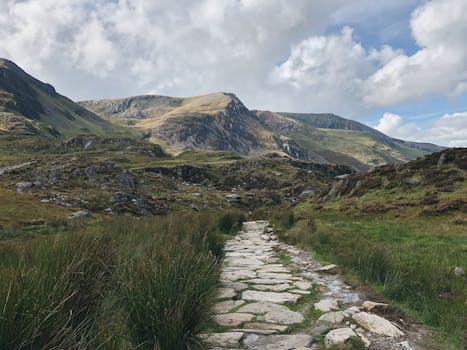
Ready to try it out? First, we need to make sure your device is set up correctly. ProRAW is available on iPhone 12 Pro and later Pro models.
- Go to Settings > Camera > Formats.
- Toggle on ProRAW & Resolution Control.
- Tap into the "Pro Default" menu and select HEIF Max (for high resolution but smaller files) or ProRAW Max (for the ultimate quality). For this guide, choose ProRAW Max.
Now, open your Camera app. You will see a crossed-out "RAW MAX" icon in the top right corner. Tap it to enable it (it will remove the strike-through). Snap your photo.
When you look at the photo immediately in your gallery, it might actually look a little "flat" compared to your standard photos. That is intentional! It hasn't been artificially sharpened or saturated yet. Tap Edit in the Photos app. Try dragging the Shadows slider up and the Highlights slider down. You will notice you can push these sliders much further than usual without the image breaking apart. This is the power of ProRAW—total creative control.
Cinematic Video with ProRes
If ProRAW is for photographers, ProRes is for the videographers. ProRes is a video codec commonly used in the film and TV industry. Unlike standard video, which compresses the footage heavily to save space (often losing detail in fast motion or complex textures), ProRes preserves incredible detail and color depth.
Using ProRes is particularly helpful if you plan to edit your video on a computer later, or if you are shooting in "Log" mode (available on iPhone 15 Pro and 16 Pro models), which creates a flat, gray image intended for professional color grading.
However, there is a catch regarding storage, which brings us to an important rule of thumb:
The Storage Warning: ProRes files are massive. A single minute of 4K ProRes video can consume nearly 6GB of storage. If you have a 128GB iPhone, you could fill your remaining space in less than 15 minutes of filming.
Because of this, ProRes is best reserved for specific shots—like a planned short film, a high-quality YouTube intro, or a very special family moment you want to preserve in the highest fidelity possible.
Real-World Scenarios: When to Go Pro
You do not need to shoot in ProRAW or ProRes 24/7. In fact, for pictures of your grocery list, a parking spot, or a quick selfie, standard HEIC/JPEG is superior because it saves space and looks good instantly. Here is a cheat sheet for when to toggle these features on:
- High Contrast Scenes: Sunsets, bright windows in dark rooms, or stage lights. ProRAW allows you to balance the light later.
- Macro Photography: When shooting close-ups of flowers or insects, ProRAW helps you sharpen the details without creating digital artifacts.
- Printing: If you plan to print a photo on a large canvas, always shoot ProRAW Max (48MP) to ensure the image stays crisp when blown up.
- Green Screen or Visual Effects: If you are experimenting with video editing and keying out backgrounds, ProRes provides the clean edges you need.
Managing the Storage Beast
The biggest barrier to shooting like a pro is managing the file sizes. A ProRAW photo can be 75MB (compared to 2MB for a standard photo), and we already mentioned the massive size of ProRes video.
If you have an iPhone 15 Pro or iPhone 16 Pro, you have a secret weapon: USB-C recording. You can plug a small, portable SSD (Solid State Drive) directly into the bottom of your phone. The iPhone will detect the drive, and you can set the camera to record ProRes video directly to the external drive, bypassing your phone's internal storage entirely. This is exactly how professional film crews use the iPhone.
For photographers, consider using iCloud Photos with "Optimize iPhone Storage" turned on. This uploads the massive full-resolution RAW file to the cloud and keeps a smaller, viewable version on your phone. Just remember that you will need a robust iCloud storage plan (2TB is recommended for heavy shooters).
Final Thoughts
Unlocking the ProRAW and ProRes capabilities of your iPhone changes the device from a smartphone into a legitimate creative tool. While the file sizes are large and the workflow requires a bit more effort, the results speak for themselves.
Don't be afraid to experiment. On your next vacation or during the next "golden hour" sunset, flip that RAW switch on. Take the photo, sit down with a coffee, and spend five minutes editing it. Once you see the colors pop and the details emerge from the shadows, you’ll understand exactly why "Shot on iPhone" has become such a legendary phrase.