
You’ve just unboxed your shiny new iPhone Pro. You admire the titanium finish, the stunning display, and those three camera lenses staring back at you. You know this device is a powerhouse, capable of shooting magazine-quality photos and cinematic videos. But then you dive into the settings and see terms like "ProRAW" and "ProRes," and suddenly, things feel a little complicated.
If you have ever felt intimidated by these settings, you are not alone. Many iPhone users leave these features turned off simply because they aren't sure what they do or when to use them. The truth? You don’t need a degree in film school to master them. These tools are designed to bridge the gap between point-and-shoot convenience and professional creative control.
Let’s demystify Apple’s professional formats. We are going to break down exactly what ProRAW and ProRes are, why they matter, and most importantly, how you can use them to take your content creation to the next level.
Understanding Apple ProRAW: The Ultimate Photo Flexibility
To understand ProRAW, we first need to understand how a standard iPhone photo works. When you snap a picture in the default mode (HEIC or JPEG), your iPhone makes thousands of split-second decisions. It adjusts the white balance, sharpens the edges, reduces noise, and compresses the file to save space. It is like ordering a fully baked cake; it’s delicious and ready to eat, but you can’t change the ingredients once it’s served.
A traditional RAW file, used by professional DSLR cameras, is like a bag of ingredients. It captures all the raw data from the sensor without processing it. It looks flat and dull initially, but it gives you total freedom to "bake the cake" exactly how you want during editing.
Apple ProRAW is the best of both worlds. It combines Apple’s computational photography (Smart HDR and Deep Fusion) with the flexibility of a standard RAW format. You get a photo that looks good immediately but retains a massive amount of hidden data in the shadows and highlights.
Pro Tip: Use ProRAW when shooting in tricky lighting conditions. If you are shooting a sunset where the foreground is dark and the sky is bright, ProRAW will allow you to brighten the shadows and dim the sky in editing without the image looking grainy or "fake."
However, there is a catch: file size. A standard iPhone photo might be 2 MB to 5 MB. A ProRAW image can easily be 25 MB to 75 MB (or even larger on 48MP settings). Because of this, you probably don't want to leave it on for casual snapshots of your grocery list or parking spot.
How to Enable and Shoot in ProRAW
Ready to try it out? Setting it up is a breeze, but you have to dive into your main Settings app first. Here is how to unlock the potential of your camera sensor:
- Open the Settings app on your iPhone.
- Scroll down and tap on Camera.
- Tap on Formats.
- Under "Photo Capture," toggle on ProRAW & Resolution Control.
- Tap "Pro Default" to choose between 12MP (smaller files) or 48MP (maximum detail, massive files).
Once you have enabled it in settings, you don't have to shoot in ProRAW all the time. Apple adds a convenient toggle switch right inside the Camera app.
- Open your Camera app.
- Look for the RAW MAX or RAW 12 icon in the top right corner.
- If the icon has a line through it, it is off. Tap it once to turn it on (no line).
- Snap your photo!
When you view the photo in your library, it will be labeled "RAW" in the top left corner. It might look slightly different than your standard photos—perhaps a bit flatter or less sharpened. This is intentional! It is waiting for you to edit it.
Demystifying ProRes: Hollywood in Your Pocket
If ProRAW is for photographers, ProRes is for the videographers. ProRes is a video codec—a method of compressing video data—that has been an industry standard in television and film for years. Before the iPhone added support for it, you needed expensive cinema cameras to shoot in this format.
Standard iPhone video (H.264 or H.265) is highly compressed. The iPhone throws away color data that the human eye might not notice immediately to keep file sizes small. ProRes, however, keeps almost everything. It offers higher color fidelity and less compression, meaning you won't see those blocky, pixelated artifacts in complex scenes (like confetti falling or water splashing).
But here is the reality check: ProRes files are enormous. A single minute of 4K ProRes video can consume nearly 6 GB of storage space. If you have a 128GB iPhone, you could fill your entire storage in less than 20 minutes of filming.
Warning: Unless you are planning to color grade your footage on a computer or need the absolute highest fidelity for a professional project, standard video mode is usually sufficient. ProRes is overkill for TikTok or Instagram Stories.
However, if you are an aspiring filmmaker, ProRes is a game-changer. It allows for smoother editing in professional software like Final Cut Pro or DaVinci Resolve, and it holds up much better when you start adjusting colors and exposure.
Editing: Where the Magic Happens
Shooting in ProRAW or ProRes is only step one. Since these formats are designed to be edited, the "out of camera" result is rarely the final product. The beauty of the Apple ecosystem is that you don't necessarily need a desktop computer to process these heavy files; your iPhone is powerful enough to handle them.
Editing ProRAW:
Open a ProRAW photo in the native Photos app and tap "Edit." You will notice that the sliders behave differently than usual. You can push the "Exposure" slider much further before the image breaks apart. Try lowering the "Highlights" to see details reappear in a bright sky, or raising "Shadows" to reveal the face of a person standing in the dark.
Editing ProRes:
While you can trim and adjust ProRes video in the Photos app, you will likely want more power. Apps like LumaFusion or the mobile version of DaVinci Resolve are fantastic for handling ProRes footage. If you own an iPhone 15 Pro or newer and are shooting in "Log" mode (a very flat color profile used with ProRes), you will definitely need to apply color correction to bring the vibrancy back.
The Cheat Sheet: When to Use What
To wrap things up, let’s simplify your decision-making process. You don't need to be a tech wizard to know which switch to flip; you just need to know what your goal is. Here is a quick guide to help you decide when to go Pro and when to stick to standard settings.
- Casual Snapshots (Food, receipts, quick memories): Keep ProRAW OFF. HEIC/JPEG is perfect and saves space.
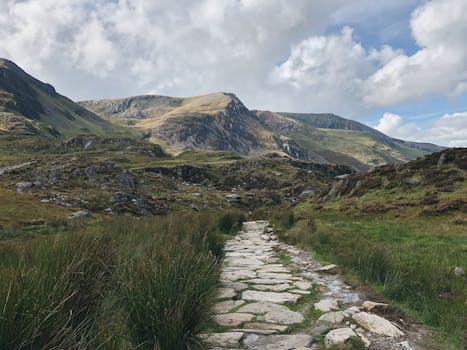
- Landscape Photography: Turn ProRAW ON. You will want the detail in the trees and clouds.
- Low Light / Night Mode: Turn ProRAW ON. It helps reduce the "smudgy" look noise reduction can sometimes cause.
- Family Vacation Video: Keep ProRes OFF. Standard 4K at 60fps looks incredible and won't fill your phone in an hour.
- Short Film / YouTube B-Roll: Turn ProRes ON. This is where you want maximum quality for editing later.
Your iPhone is an incredibly powerful creative tool. By understanding ProRAW and ProRes, you are unlocking the ability to create images and videos that stand the test of time and look truly professional. So, go ahead—toggle those settings on, find some dramatic lighting, and see just how much creative control you really have!