
Have you ever looked at a photo or video taken by a professional photographer and wondered, "Why doesn't my iPhone footage look like that?" You have the latest model, the lenses are spotless, and the subject is perfect, yet the result feels just a little too… digital. The secret isn't necessarily a more expensive camera; it’s often about how much information your camera is capturing.
For years, Apple has been bridging the gap between smartphone photography and professional cinema cameras. Hidden within your Settings are two powerful features that can completely transform how you capture memories: Apple ProRAW and ProRes. While these terms might sound intimidating, they are actually surprisingly easy to use. By switching these formats on, you stop letting your iPhone make all the creative decisions for you and start taking control of your images.
Whether you want to edit a breathtaking sunset photo without losing detail or film a family vacation that looks like a documentary, understanding these two formats is the key to unlocking your iPhone's true potential. Let’s dive into what they are and how you can use them today.
Understanding the Basics: What are ProRAW and ProRes?
To understand why these formats matter, we have to talk briefly about how your iPhone usually works. When you snap a standard picture (HEIC or JPEG) or record a standard video, your iPhone’s computer brain instantly goes to work. It sharpens edges, boosts colors, balances shadows, and then compresses the file to save space on your phone. This is great for a quick Instagram story, but it limits what you can do later. It’s like baking a cake: once it’s out of the oven, you can’t change the amount of sugar you put in.
ProRAW (for photos) and ProRes (for video) are different. They preserve a massive amount of the original data captured by the camera sensor. They don't throw away information to save space.
Think of ProRAW and ProRes like the raw ingredients of a meal rather than a pre-cooked TV dinner. They might take a little more work to prepare, but the final result is entirely up to your taste and is of much higher quality.
With ProRAW, you can recover details from bright skies that would otherwise be white blobs. With ProRes, your videos have better color fidelity and less of that "jittery" digital compression look, making them smoother and more film-like.
How to Master Apple ProRAW for Photography
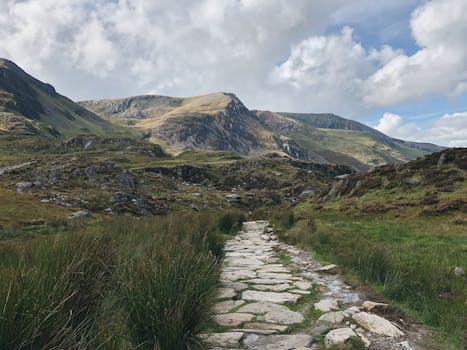
ProRAW is a game-changer for anyone who likes to edit their photos. It combines the computational photography magic of the iPhone (like Smart HDR and Deep Fusion) with the flexibility of a traditional RAW file. This means you get the best of both worlds: a sharp image that is incredibly malleable in editing.
Here is how to set it up and when to use it:
- Enable it in Settings: Go to Settings > Camera > Formats. Under "Photo Capture," toggle on ProRAW & Resolution Control.
- Activate it in the Camera App: Open your Camera. You will see a "RAW MAX" or "RAW 12" icon in the top corner. It will be crossed out by default. Tap it to turn it on (no line through it) for your next shot.
- When to use it: Use ProRAW for high-contrast scenes, such as sunsets, landscapes with bright skies and dark shadows, or indoor portraits where lighting is tricky.
- When NOT to use it: Avoid using it for quick snapshots of receipts, grocery lists, or casual memes. ProRAW files are 10 to 12 times larger than standard photos and will fill your storage quickly.
The real magic happens when you open that photo in the Photos app and tap "Edit." You will notice that you can slide the Exposure or Shadows sliders much further than usual without the image looking grainy or fake. You can pull colors out of the shadows that you didn't even know were there.
Shooting Cinematic Video with ProRes
If ProRAW is for photographers, ProRes is for the aspiring filmmaker. ProRes is an industry-standard format used in actual television commercials and movies. It offers higher color fidelity and less compression. While standard iPhone video is excellent, it can sometimes struggle with fast motion or complex textures (like flowing water or confetti), resulting in "artifacts" or blocky pixels. ProRes solves this.
Getting started with ProRes is just as simple:
- Enable it in Settings: Go to Settings > Camera > Formats. Under "Video Capture," toggle on Apple ProRes.
- Shooting: Open the Camera app and switch to Video mode. Tap the "ProRes" button at the top of the screen to enable it.
- Lighting is Key: Because ProRes captures so much detail, it is unforgiving in bad lighting. Ensure your subject is well-lit to avoid grainy footage.
One of the distinct advantages of ProRes is how it handles color. If you have an iPhone 15 Pro or newer, you might also see an option for "Log" recording. This makes the footage look gray and flat on purpose, allowing you to "color grade" it later to look like a blockbuster movie. However, even standard ProRes provides a richer, creamier image that looks significantly more professional on large screens like TVs or monitors.
The Editing Workflow: Polishing Your Gems
Here is a common scenario: A user turns on ProRAW or ProRes, takes a shot, looks at it in the gallery, and thinks, "Wait, this looks flatter and duller than my normal photos!" Don't panic. This is intentional.
Because the iPhone isn't applying aggressive contrast and saturation filters automatically, the initial image might look neutral. This is your canvas. You must edit these files to get the benefit. You don't need expensive software; the built-in iOS Photos app is powerful enough for 90% of users.
Pro Tip: When editing a ProRAW photo, start by adjusting the "Brilliance" slider. It acts like a smart tool that adjusts exposure, highlights, and shadows all at once. It’s often the only slider you need to make a ProRAW photo pop.
For ProRes video, you can edit right on your iPhone, but you might find it easier to use apps like iMovie, LumaFusion, or the mobile version of DaVinci Resolve. These apps allow you to tweak the colors to get that warm, cinematic feel or a cool, moody aesthetic without the video quality falling apart.
Managing the Storage Beast
There is one massive catch to unlocking this cinematic potential: file size. These files are digital giants. A single ProRAW photo can be 75MB (compared to 2MB for a HEIC), and one minute of 4K ProRes video can consume nearly 6GB of storage.
If you aren't careful, you will see the dreaded "Storage Full" notification in the middle of a shoot. Here is how to manage the data load without losing your mind:
- Use External Storage (iPhone 15/16 Pro): If you have a newer iPhone with USB-C, you can plug a portable SSD drive directly into your phone. You can even record ProRes video directly to the external drive, bypassing your phone's internal storage entirely. This is a lifesaver for long shoots.
- iCloud Photos: Ensure you have a large iCloud plan (2TB recommended) if you plan on keeping these files in the cloud.
- The "Export" Routine: Treat your iPhone like a professional camera. After a big trip or event, transfer your ProRAW and ProRes files to a computer or external hard drive, and then delete them from your phone to free up space.
- Toggle Off When Done: Get into the habit of tapping that RAW or ProRes icon to turn it off when you are done with a specific shot. You don't need a ProRes video of your cat sleeping (unless it's a really cute cat).
Unlocking the cinematic potential of your iPhone isn't about using these settings for every single moment of your life. It's about knowing they are there for the moments that matter. Whether it's a graduation, a once-in-a-lifetime trip, or a creative project, ProRAW and ProRes give you the power to capture the world exactly as you see it—and perhaps even better.